Brussels without a car: routes, tips and good habits for getting around light

Brussels without a car: routes, tips and good habits for getting around light
Why Brussels is so well suited to gentle mobility
Brussels is often best discovered at pavement level rather than through a windscreen. Its neighbourhoods unfold like small theatre scenes, each with its own character, the smell of morning bakeries, weekend markets and parks where the noise of the city briefly fades away. Between the compact city centre, the distinctive municipalities and the well-connected main routes, it is entirely realistic to reduce car use to a minimum, or even do without one altogether.
The real shift happens when you stop thinking in terms of “journeys” and start thinking in terms of “rhythm”. Getting off one stop earlier, crossing a park instead of following a busy avenue, or choosing a connection that avoids a rushed transfer can completely change the experience. And, as an added bonus, end-of-day tiredness feels very different when it comes from walking in the fresh air rather than sitting in traffic.
Choosing how to travel depending on the time of day
On foot: the best option for short distances
For distances of around 1 to 3 km, walking is often hard to beat, especially once you factor in traffic and the time spent looking for parking. A useful habit is to break your outings into smaller stages: run one errand, make one practical stop, then take a different street on the way back. You gradually build up your sense of direction, learn how to read the city and start noticing details you would otherwise miss, such as an Art Nouveau façade on a quiet side street or a small café filled with the smell of freshly ground coffee.
A simple tip: keep a comfortable pair of shoes at the office or in a tote bag. Many people decide not to walk simply because their outfit was not “made for it”, when the solution can be as easy as having a decent pair of shoes nearby.
Public transport: making journeys smoother without overcomplicating them
Public transport becomes much more enjoyable when you use it strategically. Avoid automatically choosing the “fastest route on paper” if it involves two tight connections. A slightly longer but more direct journey is often more reliable, especially during busy periods when everyone seems to be travelling at once. The aim is to reduce mental effort: a simple route is easier to repeat and, ultimately, easier to enjoy.
Another useful habit is to identify two alternatives for the same journey. On a rainy day, choose the route with the most shelter and the least time spent waiting outside. On a day when you need some breathing space, opt for the route that passes through a park or includes a ten-minute walk before boarding.
Easy routes for rediscovering the city
The “park route” for a little more breathing room every day
Whenever possible, include a green space in your regular journeys. Even a five-minute walk through a park can change how the day feels. In the morning, it helps slow the pace. In the evening, it gives you a chance to clear your head before going home. Try planning your week around one or two parks as anchor points and see how you can adjust your route without adding too much extra time.
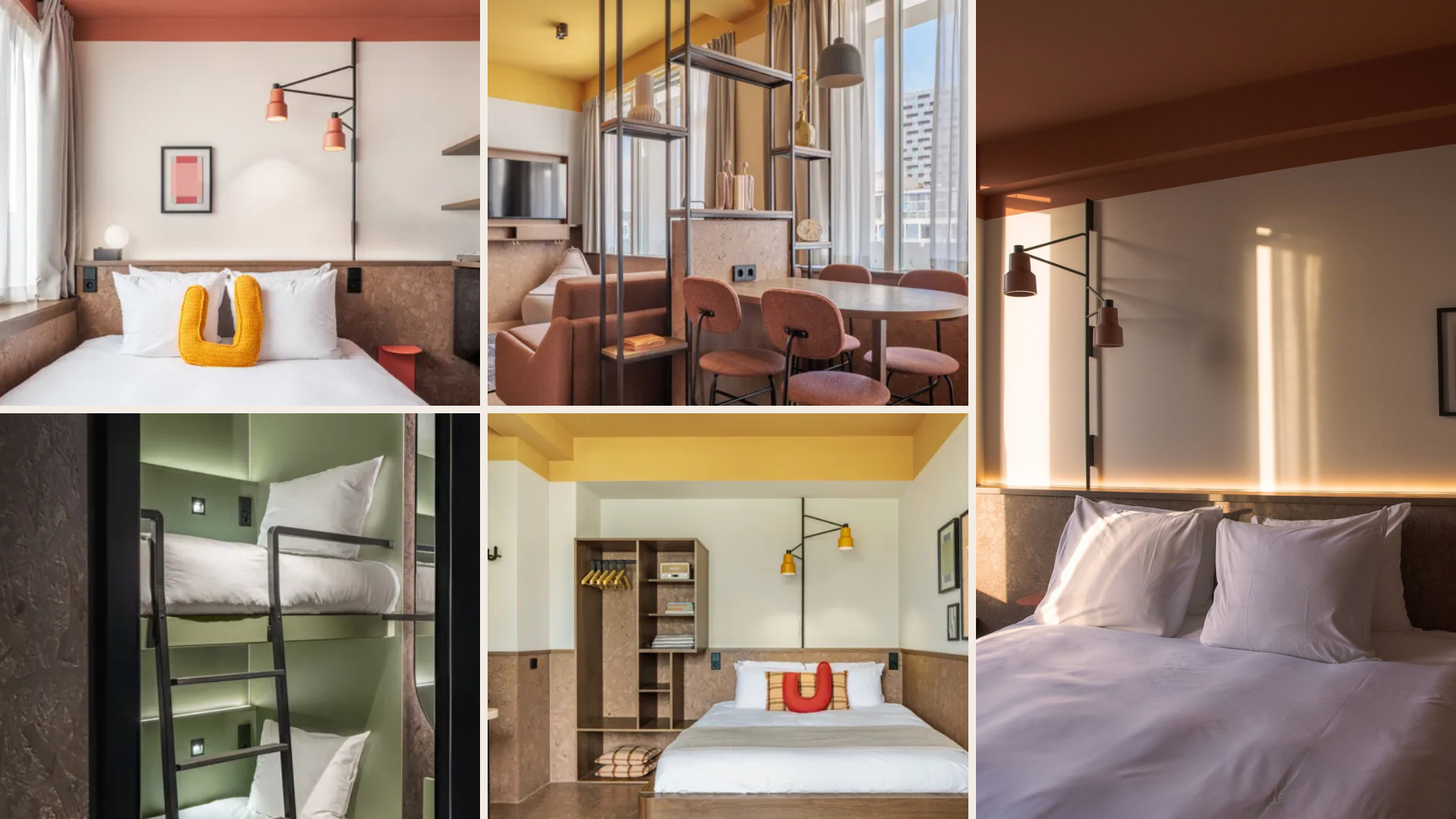
With this approach, places where you can take a pleasant break, enjoy something local to drink or simply sit down for a moment also become useful landmarks. Some urban hospitality concepts are built around this combination of design, neighbourhood life and a more conscious approach to impact, such as The Usual, which reflects the idea of bringing travellers and local residents together in the same space.
The “shopping route” for avoiding the Saturday car trip
A classic trap is the large weekly shop that seems to “justify” taking the car. A very Brussels-style alternative is to spread it out: two smaller shopping trips during the week, a stop at the market at the weekend and a shorter shopping list overall. With a sturdy shopping bag or a comfortable backpack, it becomes much easier to resist the temptation of relying on the boot of a car. As a bonus, you often buy more carefully and waste less.
A very simple example: at the end of the afternoon, you stop to pick up a few vegetables and a loaf of bread, then walk home. The city is quieter, neighbourhood shops feel different at that time of day, and the journey home almost becomes a walk for its own sake. These small rituals are what make gentle mobility sustainable in the long term.
Small habits that make a big difference, in summer and winter
Being prepared without carrying too much
You do not need hiking equipment to get around Brussels, but two or three basics can make a real difference: a lightweight waterproof jacket, a portable charger to avoid the stress of a flat phone battery when checking directions, and a foldable tote bag for unexpected purchases. In winter, thin layers are often more practical than one very heavy coat, as you frequently move between cold outdoor temperatures and heated indoor spaces.
Planning for the weather instead of fighting it
Brussels rain has a habit of arriving “just a little” unexpectedly. Rather than cancelling your plans, prepare a simple alternative: take a more direct route, plan a coffee stop halfway and wear shoes that can handle wet pavements. The goal is not to turn every journey into an adventure, but simply to make it manageable even when the weather is not on your side.
More responsible mobility: the impact is in the details
Reducing car use is not only about pursuing an environmental ideal. More often, it is the result of a series of very practical choices: grouping appointments by area, travelling outside peak hours, or choosing accommodation or a base from which everything can be reached on foot when visiting the city. Over time, these decisions become automatic and the city starts to feel smaller and more accessible.
Ultimately, Brussels rewards those who take the time to experience it differently. You move through it less like a point on a map and more like part of a story, complete with detours, pauses and habits that gradually become part of everyday life. And when those habits are simple enough, they tend to last, week after week, without requiring much effort.

Did you like this article?
Share it


